Jawdah provides Design and Reverse Engineering services through an internal technical office equipped with advanced 3D modeling software. This allows the factory team to design, develop, and engineer new models according to customer requirements and project specifications.
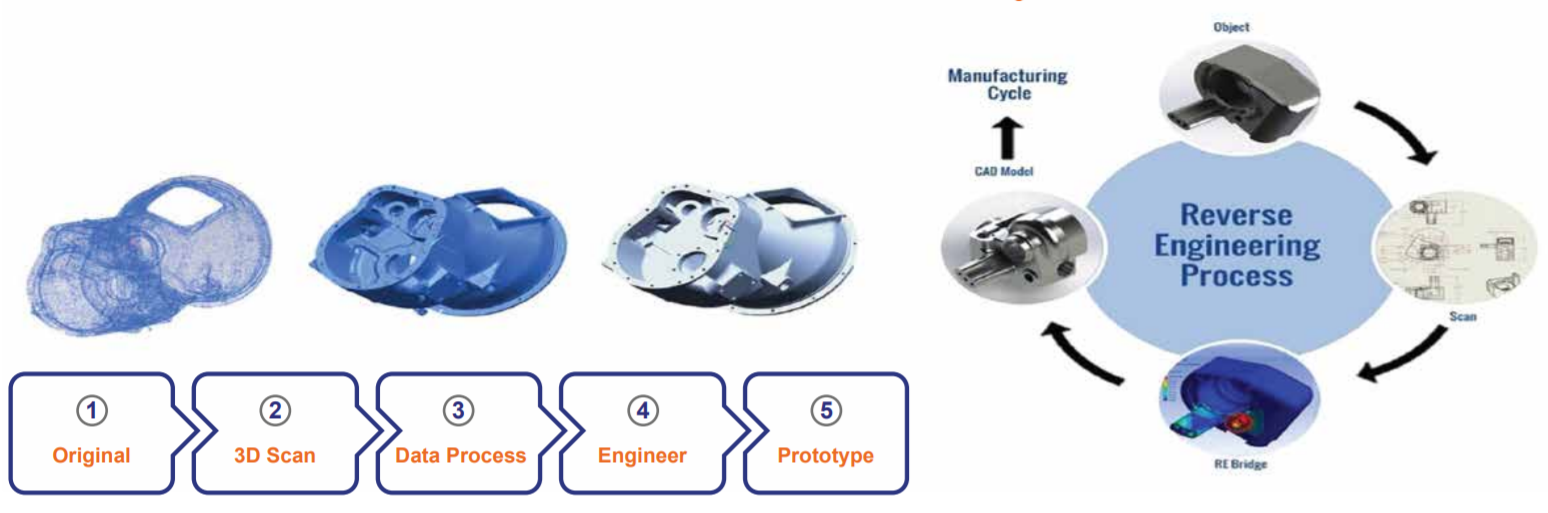
The technical office supports clients who have an idea, drawing, product sample, or existing part that needs to be redesigned or manufactured. In addition, reverse engineering capabilities help the team study existing components, understand their dimensions, and prepare accurate technical models for production.
Jawdah uses modern design tools to create 3D models for molds, spare parts, and customized industrial products. These models help improve product accuracy before manufacturing and support better communication between the factory, engineers, and clients.
The design process can include concept development, product study, dimensional review, technical drawings, and model preparation. Therefore, customers can move from an initial idea or sample to a practical manufacturing solution.
Reverse engineering is useful when a client has an existing product or spare part but does not have complete technical drawings. In this case, Jawdah can study the sample and recreate the required technical information to support manufacturing.
This process helps customers replace old parts, improve existing components, or manufacture customized products based on real samples. As a result, reverse engineering supports maintenance, product development, and industrial production needs.
Design and reverse engineering services can support several industrial sectors, including automotive components, medical equipment, infrastructure products, construction-related products, and material handling equipment.
These services are especially useful for projects that require precision, durability, and customized manufacturing. Moreover, they help reduce dependency on unavailable parts by allowing clients to reproduce or improve needed components.
For related services, you can explore Molds and Spare Parts and Contact Molds.
For general technical background, you can also read about reverse engineering.
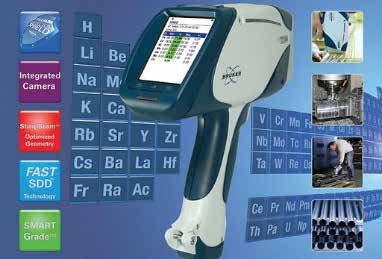
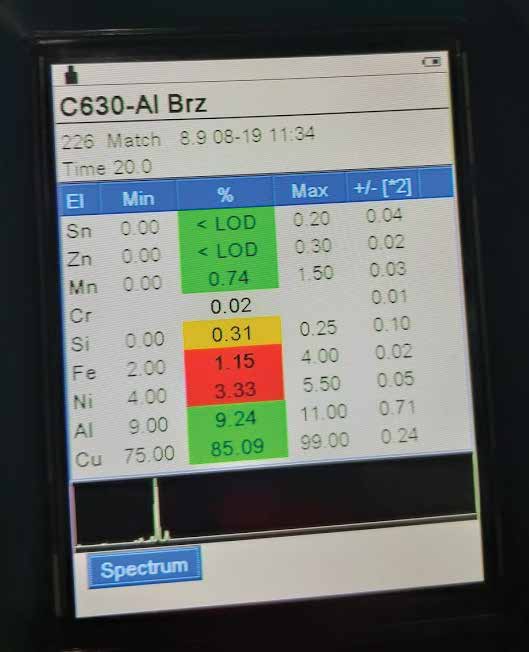
Determining the precise chemical composition and alloy grade of metal is a common need in many industries. Metal analysis tools that are fast, accurate, nondestructive, and highly portable are the cornerstone of efficient operations whether you are a metal refiner, re-cycler, or fabricator.
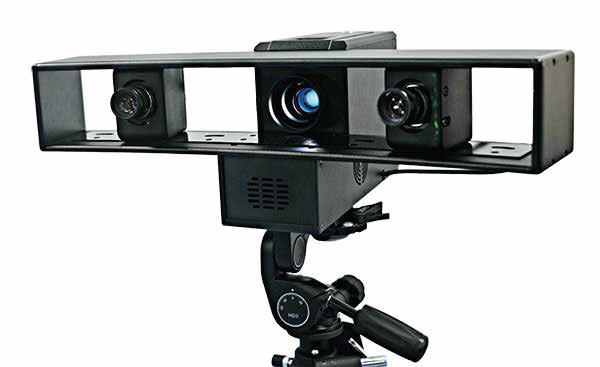
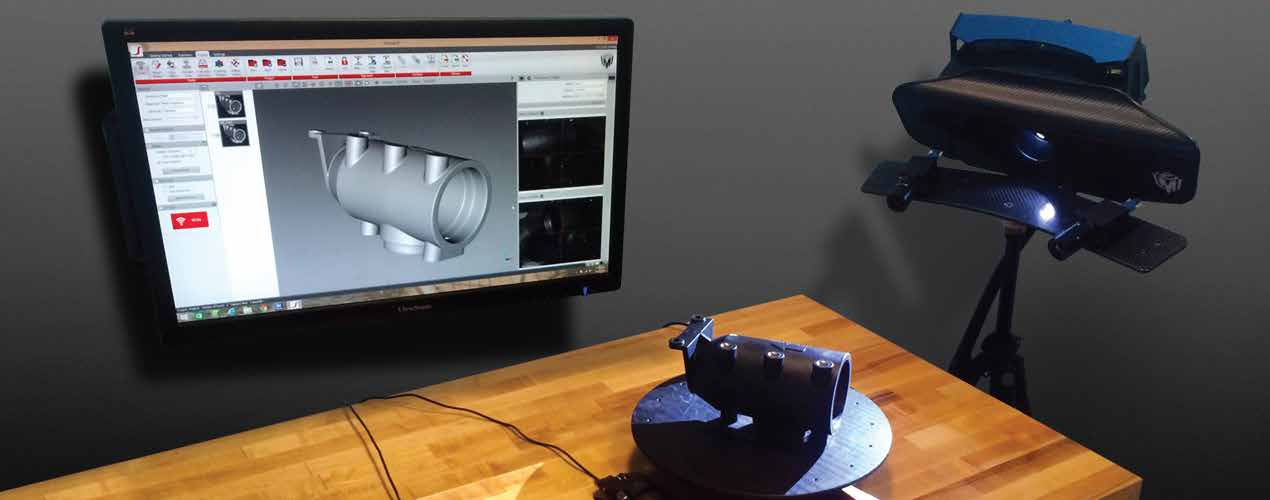
The purpose of a 3D scanner is usually to create a 3D model. This 3D model consists of a point cloud of geometric samples on the surface of the subject. These points can then be used to extrapolate the shape of the subject (a process called reconstruction).
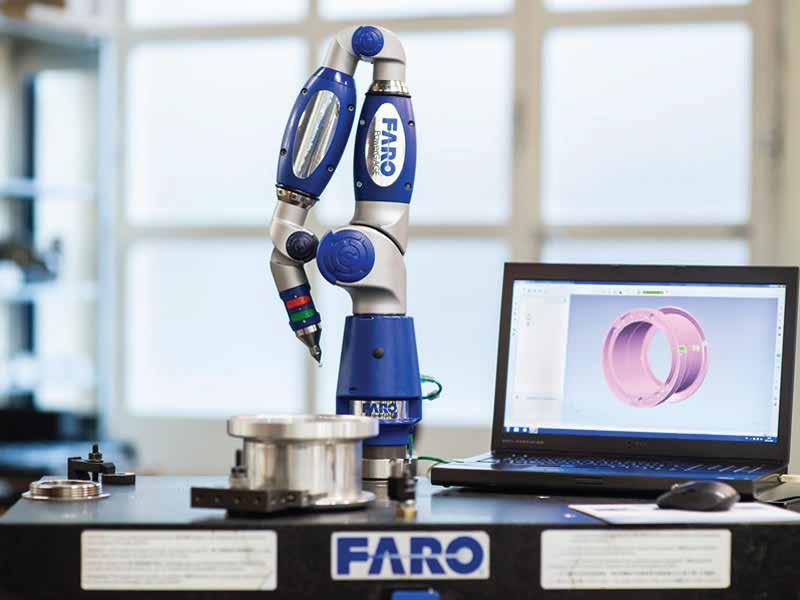
To put it simply, a CMM machine is a device that is used to measure the physical geometrical characteristics of an object. This process utilizes a probe that is mounted to the third moving axis of the CMM machine, which is used to define the measurements of the part.
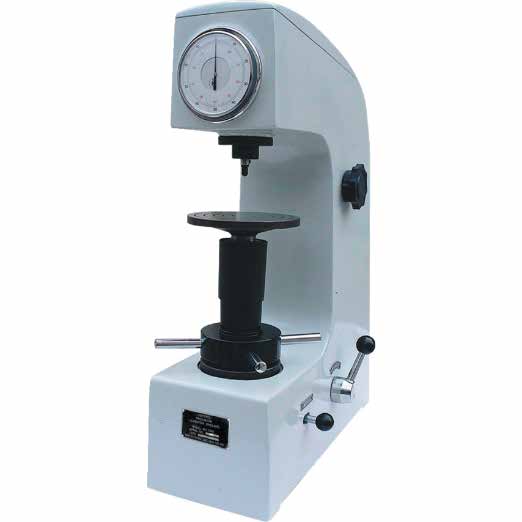
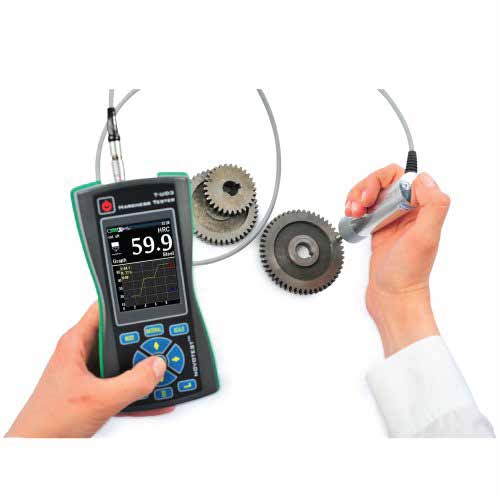
Hardness tester, a device that indicates the hardness of a material, usually by measuring the effect on its surface of a localized penetration by a standardized rounded or pointed indenter of diamond, carbide, or hard steel.